
Diagnosis
Dryness, redness, eczema: identify your skin type and how to care for it.
HOW IS YOUR SKIN?
Determining your skin type isn't always easy. Our mission at BOPLUME DERMATOLOGY is to help you identify your skin type.
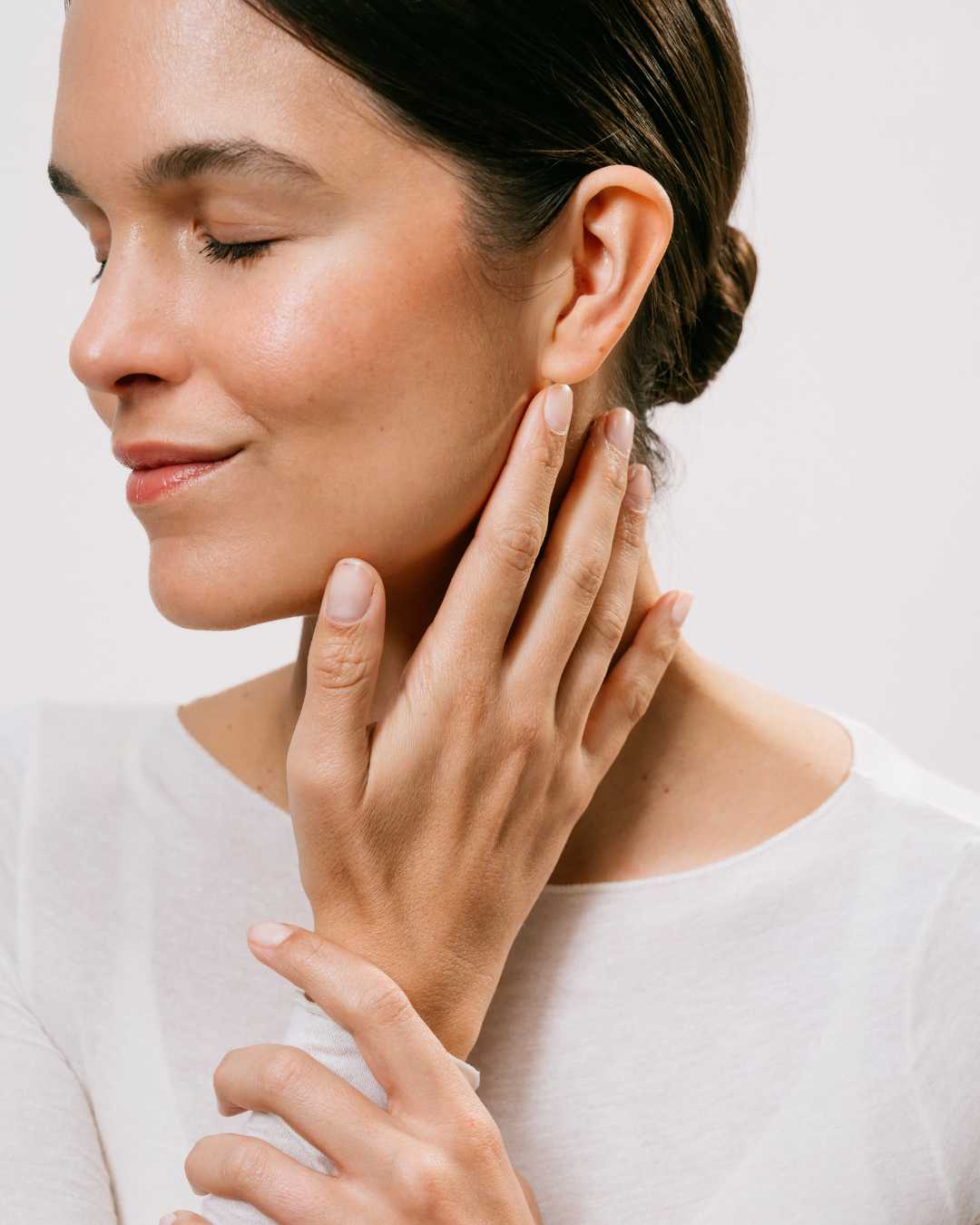
Sensitive and reactive skin
Sensitive skin is skin that reacts excessively to internal or external factors : cold, heat, stress, emotions, cosmetics, diet, or even hormonal cycle.
The most frequent signs are pulling , tingling , sensations of heat or burning , sometimes accompanied by redness or itching .
These symptoms usually occur intermittently, but can become chronic in some people.
Unlike normal skin, sensitive skin is hyper-reactive : it reacts faster and more strongly to aggressions.
Sensitive and reactive skin can be caused by internal factors (stress, diet) or external factors (pollution, irritants, climatic conditions).
Characteristic symptoms of sensitive and reactive skin:
Redness
- Appearance of localized or diffuse redness , often on the cheeks, nose, forehead or around the eyes.
- Increased sensitivity to temperature changes or sun exposure.
Tingling or burning sensation
- A sensation of heat or burning on certain areas of the face or body, particularly after applying skincare products or after exposure to irritants.
- Slight or more pronounced tingling , often after cleansing the skin or using unsuitable cosmetic products.
Drought
- The skin may be very dry intermittently, with sensations of tightness.
- Desquamation or rough skin , sometimes accompanied by small pieces of dead skin.
Itching
- Itching (itching), often caused by skin that reacts badly to external factors.
- Irritations due to overly aggressive skincare products or triggering factors such as heat or humidity.
Reactions to irritating cosmetic products
- Immediate or delayed reactions after the application of certain irritating skincare products: redness , swelling, skin rashes .
- Reactive skin exhibits irritation in response to substances such as perfumes, preservatives, or certain aggressive active ingredients.
Sensitivity to extreme temperatures
- Increased sensitivity to cold and heat, with symptoms such as redness or tightness , especially in winter (skin that reddens and dehydrates easily).
- Itching sensations due to wind or temperature variations.
Sensitivity to stress
- Stress can worsen skin reactivity, leading to flare-ups of redness , tightness , and irritation .
Our tip for soothed skin:
-
 Microbiome+ Replenishing BalmMicrobiome+ Replenishing Balm
- Regular price
-
21,90€ - Regular price
-
- Sale price
-
21,90€
-
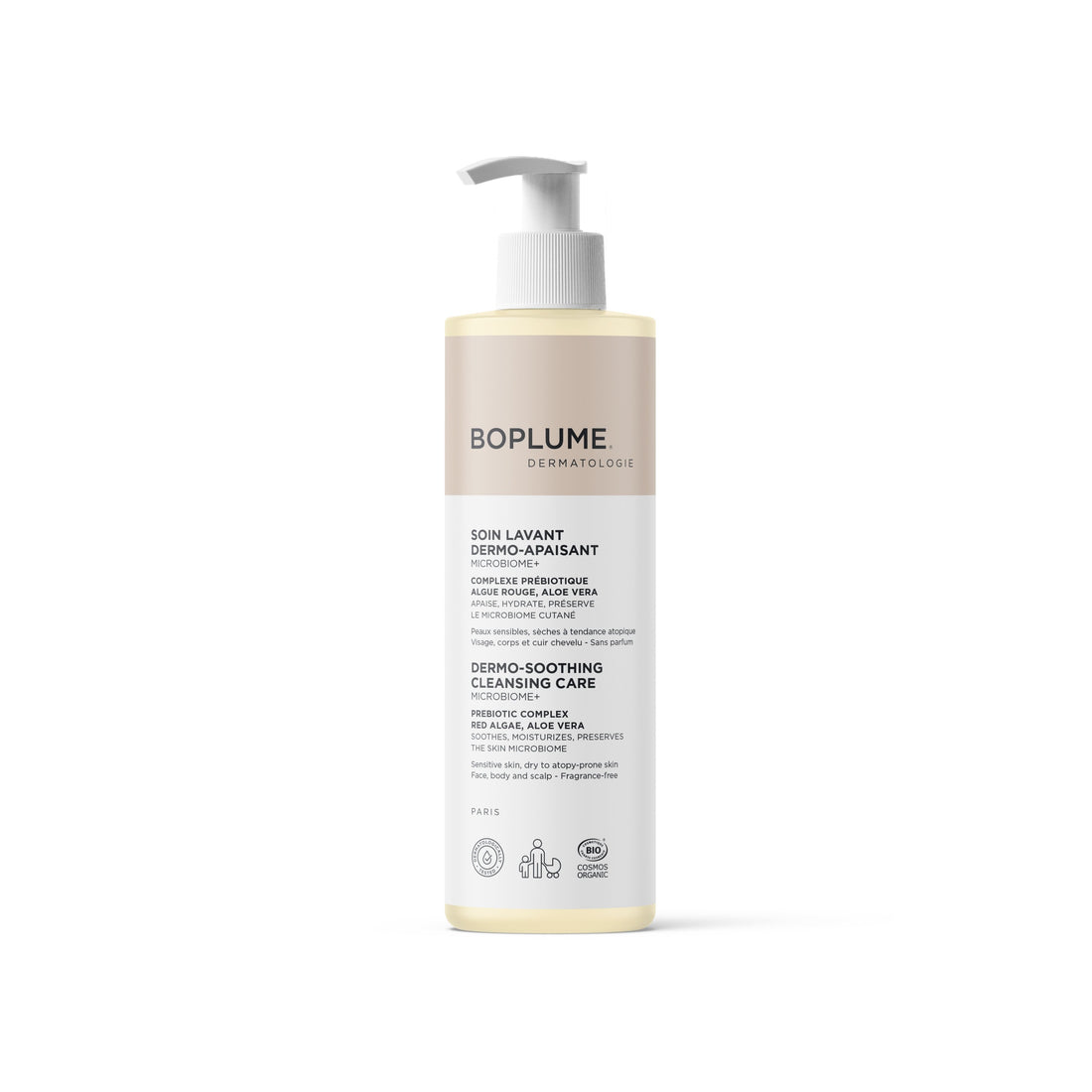 Dermo-Soothing Cleansing Treatment Microbiome+Dermo-Soothing Cleansing Treatment Microbiome+
- Regular price
-
17,90€ - Regular price
-
- Sale price
-
17,90€
-
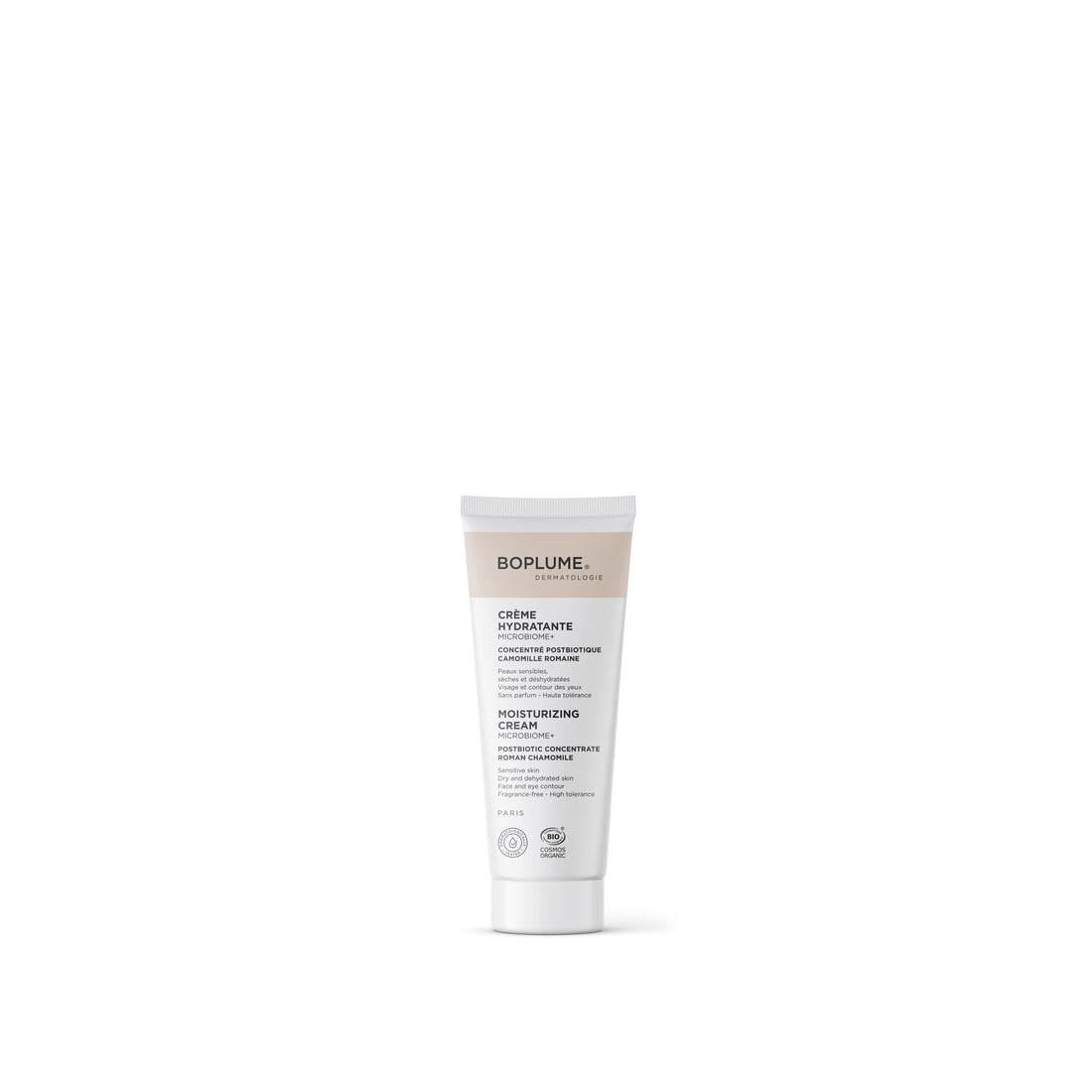 Microbiome+ MoisturizerMicrobiome+ Moisturizer
- Regular price
-
24,90€ - Regular price
-
- Sale price
-
24,90€

Dry AND VERY DRY skins
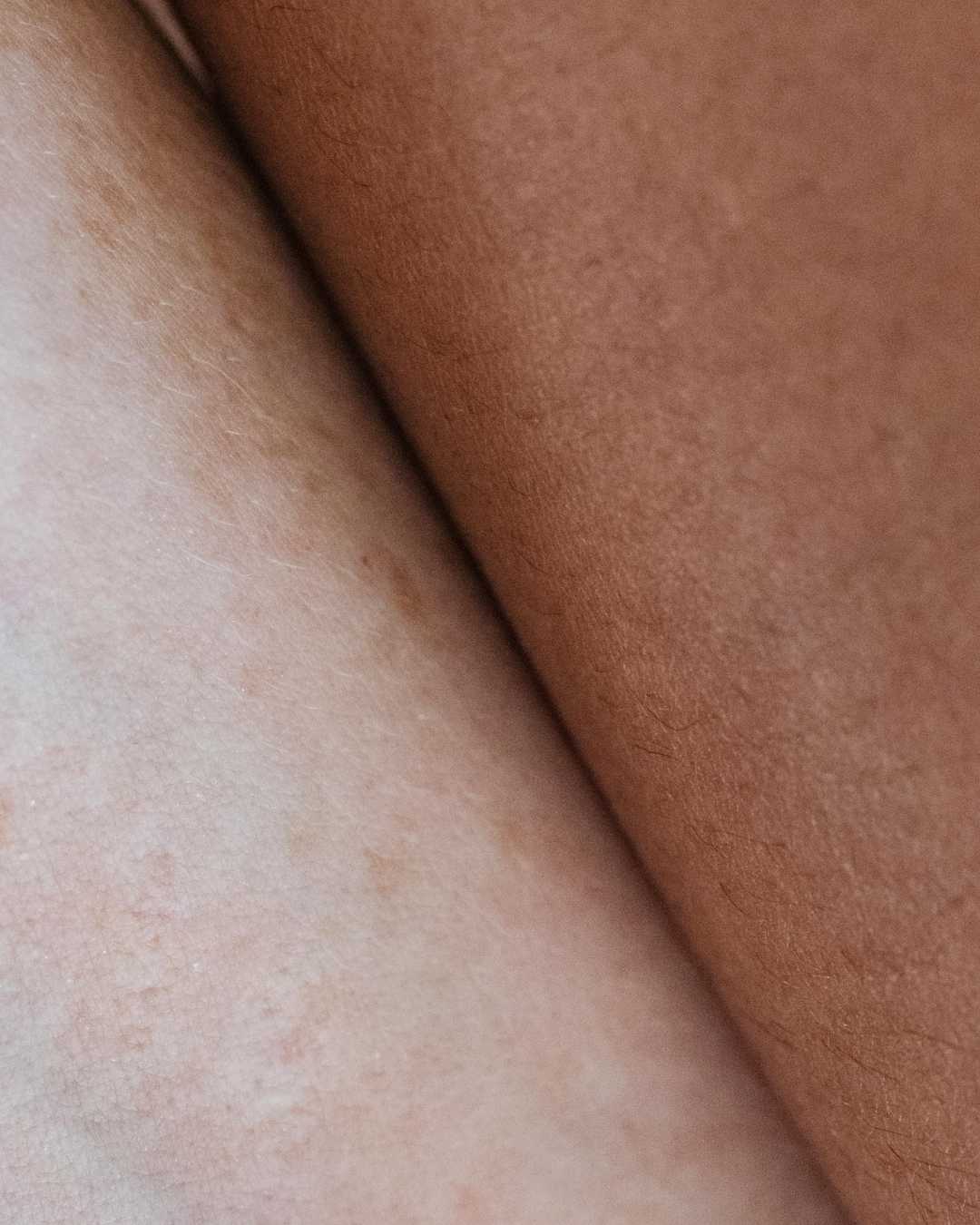
Dry or very dry skin is a permanent condition that defines a skin type characterized by a lack of water and lipids. The sebaceous glands do not secrete enough sebum, an essential oil for optimal skin barrier function.
When the skin barrier is damaged, it no longer performs its protective function, and water loss accelerates. The skin experiences a constant loss of water.
Lacking water and lipids, the skin dries out, causing discomfort , tightness , rough and coarse skin, flaking and often a dull complexion.
Dry skin can be exacerbated by external factors such as cold, wind, sun exposure or unsuitable care, but also by internal factors such as age, genetics or certain dermatological pathologies.
Characteristic symptoms of dry skin:
Visible drought
• Peeling skin.
• Dull or rough appearance to the touch.
• Lack of flexibility.
Feeling of discomfort
• Tightness , especially after cleaning or exposure to cold.
• Sensation of peeling or cracking skin .
Itching
• Itching, an urge to scratch, often exacerbated by cold or heat.
• Tingling or burning sensation.
Redness and irritation
• Appearance of localized redness , especially on the face, hands and legs.
• Skin that becomes more reactive to external aggressions (wind, cold, pollution).
Our advice for soothed, nourished and hydrated skin:
-
Microbiome+ Replenishing BalmMicrobiome+ Replenishing Balm
- Regular price
-
21,90€ - Regular price
-
- Sale price
-
21,90€
-
Dermo-Soothing Cleansing Treatment Microbiome+Dermo-Soothing Cleansing Treatment Microbiome+
- Regular price
-
17,90€ - Regular price
-
- Sale price
-
17,90€
-
Microbiome+ MoisturizerMicrobiome+ Moisturizer
- Regular price
-
24,90€ - Regular price
-
- Sale price
-
24,90€
Atopic-prone skin/ECZEMA
Atopic skin is skin whose skin barrier is impaired.
This barrier is no longer able to retain the water naturally present in the skin. It becomes porous and no longer acts as a protective shield against external aggressors and allergens. The skin is often colonized by bacteria that cause infections and complications.
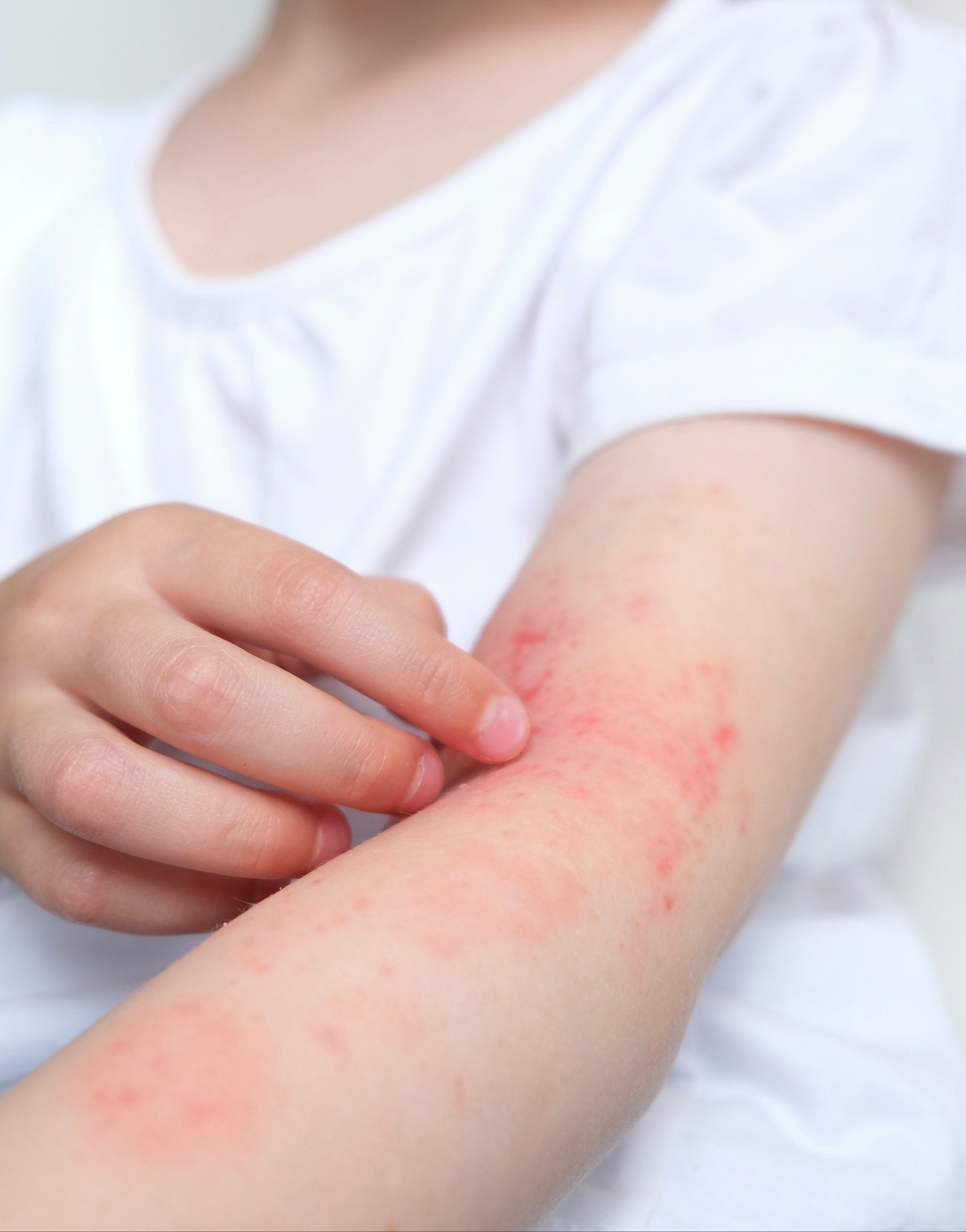
The skin is dry, even very dry, and rough. During periods of inflammation, raised, red, oozing patches appear on the skin, which can develop and form scabs. Significant itching can be bothersome both during the day and at night. This chronic skin irritation can have a considerable impact on quality of life.
Sun, cold, perspiration, certain irritating cosmetic products and inadequate hygiene worsen the symptoms.
Atopic skin results from a dysfunction of the skin barrier and an abnormal immune response, making it more vulnerable to irritants and infections.
Note: Atopic eczema is a chronic inflammatory skin disease, non-contagious, and progresses in flare-ups.
Contact eczema occurs when the skin reacts locally to an external substance called an "allergen".
Characteristic symptoms of atopic-prone skin:
Redness
• Skin that becomes red, especially on the cheeks, hands, elbow creases and knees.
• Local inflammation , intensified during flare-ups.
Itching
• Severe itching , often worse at night.
• The need to scratch can worsen the lesions and lead to sores or scabs.
Dry skin
• Skin that peels, flakes , or has dry patches.
• Tightness and a feeling of rough skin.
Skin thickening
• Hyperkeratosis : thickened skin, especially in areas where itching is frequent.
• The affected areas may become scaly or rougher over time.
Eczema
• Red or scaly patches that may ooze or form crusts.
• The lesions can be localized or generalized, and evolve according to the triggers (stress, heat, cold, irritants).
Sensitive and responsive
• Atopic skin is particularly fragile: its skin barrier allows external aggressions to pass through more easily. It reacts more strongly to unsuitable cosmetics, perfumes, pollution or even temperature changes.
Variable severity
• Symptoms can vary from person to person, ranging from mild forms ( redness and dryness ) to severe forms (oozing patches, skin infection, extremely rough skin).
Our advice for soothed, nourished and repaired skin:
-
Microbiome+ Replenishing BalmMicrobiome+ Replenishing Balm
- Regular price
-
21,90€ - Regular price
-
- Sale price
-
21,90€
-
Dermo-Soothing Cleansing Treatment Microbiome+Dermo-Soothing Cleansing Treatment Microbiome+
- Regular price
-
17,90€ - Regular price
-
- Sale price
-
17,90€
-
Microbiome+ MoisturizerMicrobiome+ Moisturizer
- Regular price
-
24,90€ - Regular price
-
- Sale price
-
24,90€
Psoriasis
Psoriasis is a chronic inflammatory skin disease , not contagious, linked to a dysfunction of the immune system .
It manifests itself through an acceleration of skin cell renewal ,
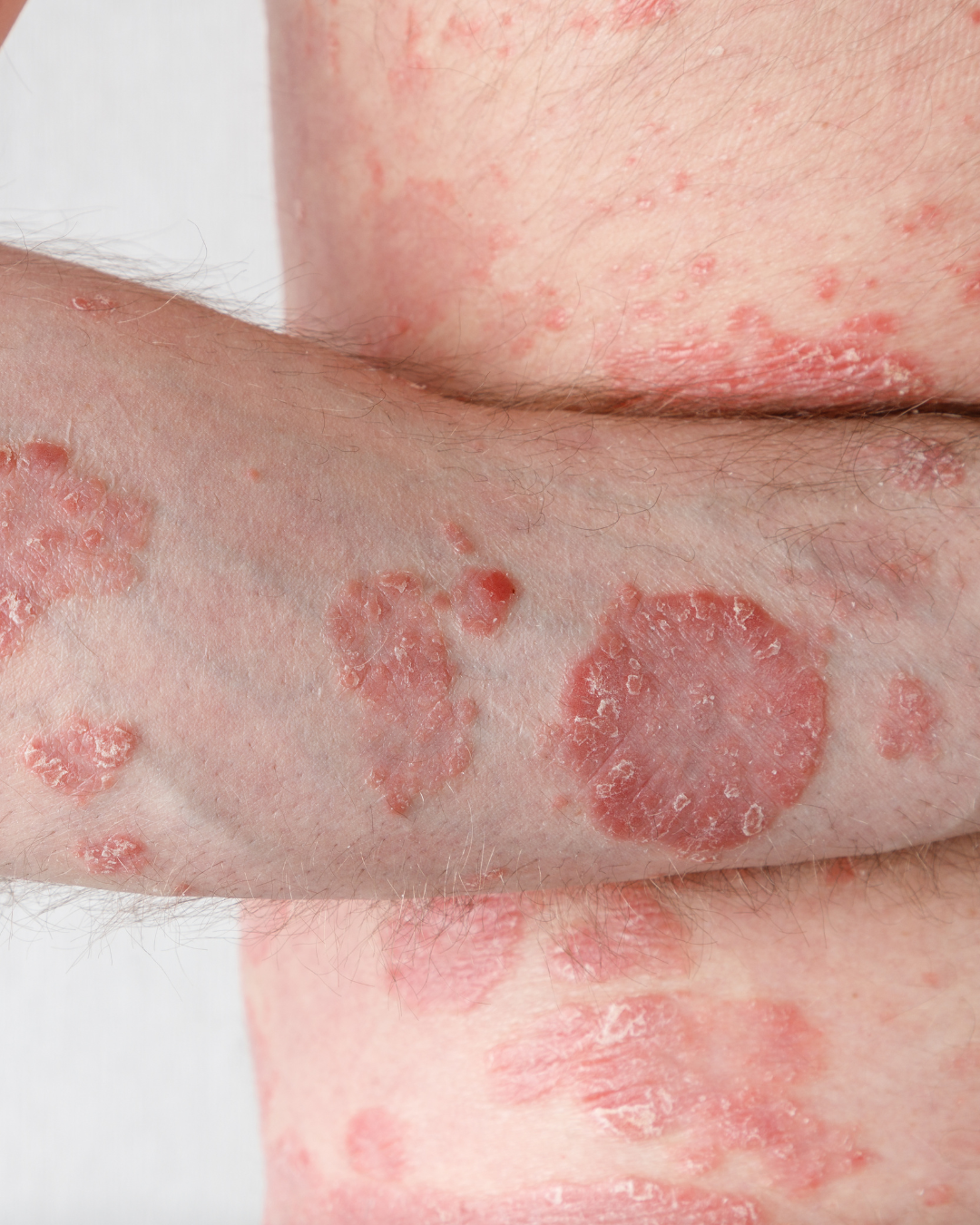
leading to the appearance of thick red patches , often covered with whitish scales .
Psoriasis manifests with characteristic skin lesions , which can vary from person to person and occur in flare-ups , with periods of remission. The symptoms of psoriasis can sometimes be confused with other skin conditions. Only a healthcare professional can confirm the diagnosis .
In people with psoriasis, the skin exhibits:
- a significant alteration of the skin barrier
- an intense drought
- an increased hypersensitivity to external aggressions
This weakening can accentuate daily skin discomfort, even outside of inflammatory flare-ups .
Dermo-cosmetic treatments do not treat psoriasis and do not replace medical follow-up.
Characteristic symptoms of psoriasis:
Thick, well-defined red patches
The most frequent sign is the appearance of well-defined red patches , often thickened to the touch (raised patches).
Whitish, silvery scales
The plaques are often covered with whitish or silvery scales , more or less visible depending on the area.
Severe drought, cracks
The skin may be very dry . In some areas, it may crack and sometimes bleed , especially if scratched or rubbed.
Itching, burning or pain
The sensations experienced vary . Some people describe mainly itching , others burning , sensitivity or pain on the patches.
Evolution in spurts
Psoriasis is often recurrent. Plaques may appear, intensify , and then subside .
Areas frequently affected
The classic locations are: elbows, knees, scalp, lower back .
Our advice for managing psoriasis
-
Microbiome+ Replenishing BalmMicrobiome+ Replenishing Balm
- Regular price
-
21,90€ - Regular price
-
- Sale price
-
21,90€
-
Microbiome+ MoisturizerMicrobiome+ Moisturizer
- Regular price
-
24,90€ - Regular price
-
- Sale price
-
24,90€
-
Dermo-Soothing Cleansing Treatment Microbiome+Dermo-Soothing Cleansing Treatment Microbiome+
- Regular price
-
17,90€ - Regular price
-
- Sale price
-
17,90€
Sensitive and irritated scalp
Several factors can explain scalp sensitivity.
This is a permanent condition linked to a natural deficiency of the hydrolipidic film.
If it has no particular cause, this natural hypersensitivity can be aggravated by various internal factors (stress, fatigue, diet, drug treatments) and external factors (pollution, use of unsuitable cosmetic products).
A sensitive and irritated scalp is characterized by sensations of burning, dandruff , redness , tingling , or itching . These signs are sometimes indicative of conditions such as eczema or psoriasis. In the case of seborrheic dermatitis , dandruff and flaking may appear on the scalp and face.
A sensitive and irritated scalp can be caused by dehydrated skin , an allergy or reaction to irritating cosmetic products, fungal infections such as seborrheic dermatitis , or external factors such as stress, pollution, or climate change.
Characteristic symptoms of a sensitive and irritated scalp:
Itching
• Persistent or intermittent itching of the scalp, often due to irritation or excessive dryness.
• The sensation of itching may be more intense after using certain irritating hair products or when washing hair.
Redness
• Appearance of localized redness on certain areas of the scalp, particularly around the hair roots.
• The skin may be more inflamed and reactive to pressure or touch.
Touch sensitivity
• The scalp can become sensitive to the simple touch of the hair, to brushing or even during styling.
• Sensation of pain or discomfort when massaging the scalp.
Dryness and flaking
• The scalp may become dry, with areas that flake and give the appearance of dandruff.
• Dandruff can be thin, dry, and sometimes accompanied by itching or irritation.
Flare-ups of dandruff or crust formation
• The scalp may be more prone to dandruff, often accompanied by dry or oily scabs.
• Scabs can form as a result of irritation, fungal infection, or seborrheic dermatitis.
A pulling sensation
• A feeling of tightness in the scalp, especially after washing or in cases of excessive humidity or heat.
• The scalp, which appears stiffer, is prone to pulling.
Our tip for a soothed scalp:
-
Dermo-Soothing Cleansing Treatment Microbiome+Dermo-Soothing Cleansing Treatment Microbiome+
- Regular price
-
17,90€ - Regular price
-
- Sale price
-
17,90€