
Pollen and sensitive skin: redness, itching, tightness... how to protect your skin?
When we talk about pollen, we often think of sneezing, itchy eyes, or a runny nose. However, the skin can also be affected.
For people with sensitive, dry, or atopic-prone skin, pollen seasons can exacerbate certain discomforts: redness, itching, tightness, burning sensations, or skin that seems to "react to everything."
Why? Because pollen doesn't just stay in the air. It also settles on the skin, hair, clothes, sheets, and towels. And when the skin barrier is already weakened, these small deposits can be enough to make the skin more uncomfortable.
The good news: a few simple steps can limit their daily impact.
Why can pollen irritate sensitive skin?
Pollen is a fine powder produced by certain plants. In spring and until early summer, it is carried by the air, sometimes in large quantities depending on the region, weather, and flowering periods.
When it lands on the skin, it can contribute to increased sensations of discomfort, especially on the most exposed areas: the face, neck, hands, forearms, and even the scalp.
On comfortable and well-protected skin, these deposits sometimes go unnoticed. But on sensitive, dry, or atopic-prone skin, the skin barrier is often more fragile. It offers less protection against external aggressions, which can make the skin more reactive.
The result: the skin feels tighter more quickly, reddens more easily, itches more, or tolerates certain products less well, even those usually used.
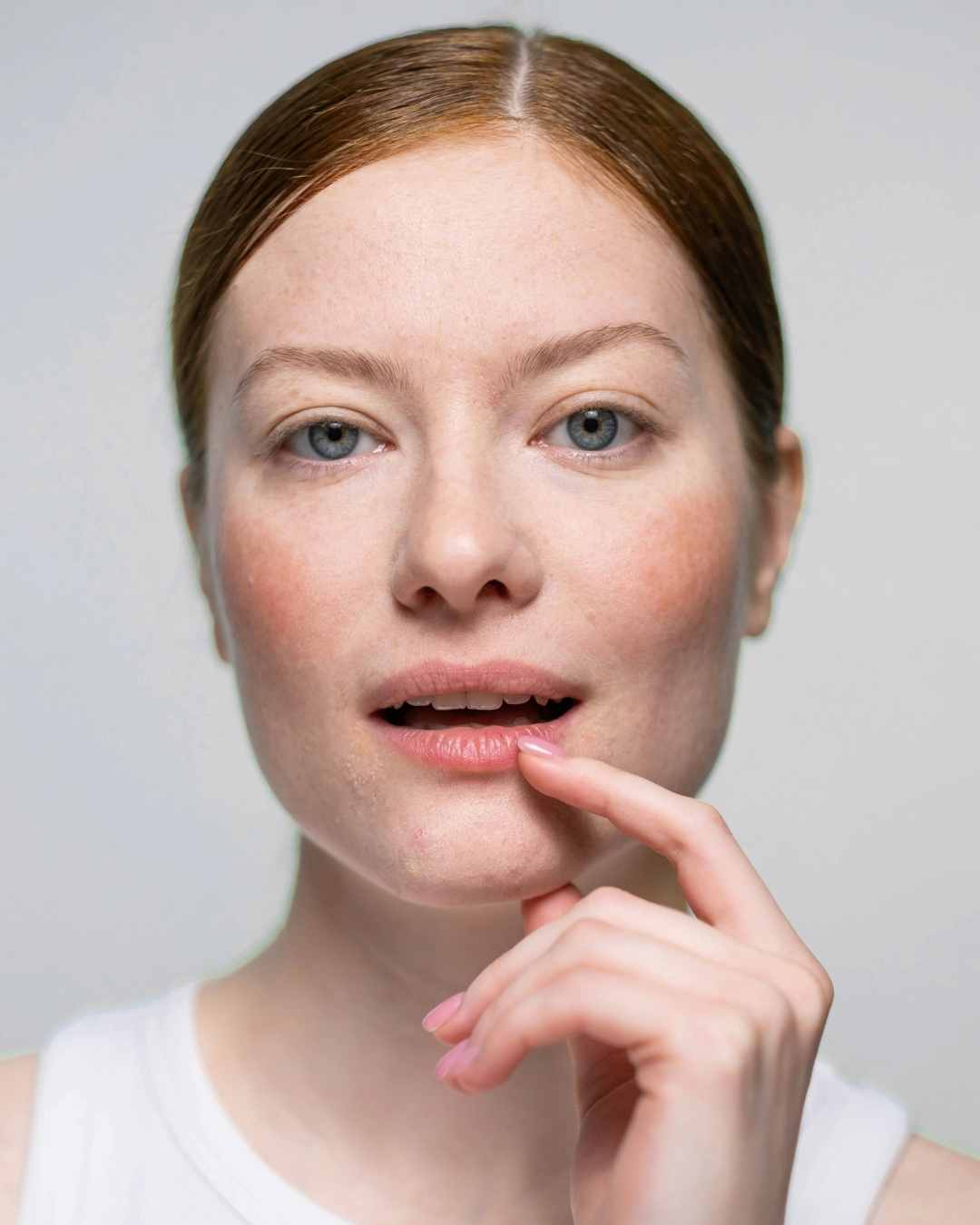
Signs that may appear during pollen seasons
Every skin reacts differently, but some signs often appear during peak pollination periods:
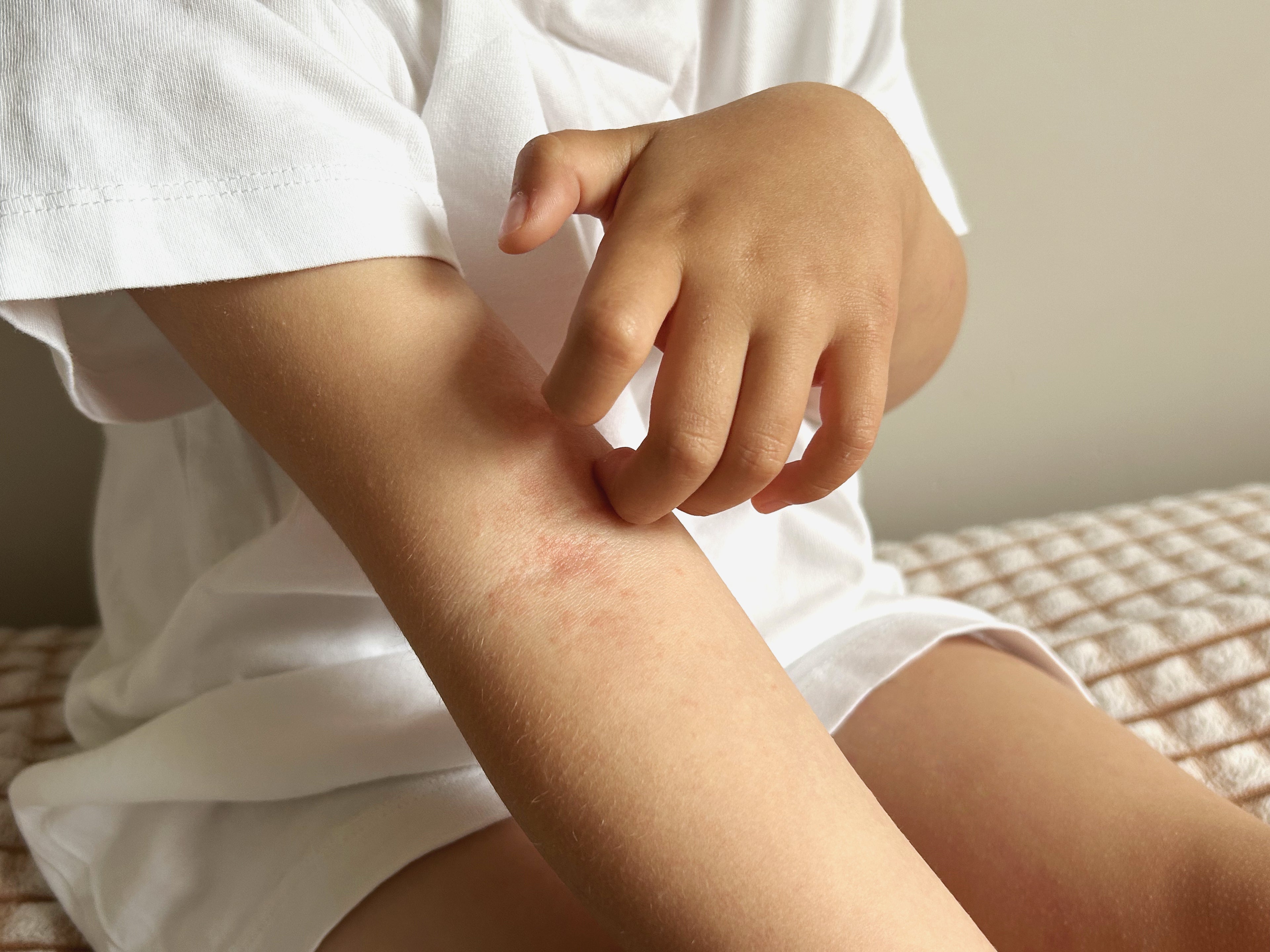
- Itchiness after going outside.
- Redness on the face, neck, hands, or arms.
- Skin tightness, even after applying a skincare product.
- Dry or rough patches that reappear.
- An increased feeling of discomfort at the end of the day.
- Skin that tolerates friction, perspiration, or certain treatments less well.
If symptoms persist, worsen, or become very bothersome, it is important to seek advice from a healthcare professional.
And what about the skin microbiome?
Skin is not just a surface. It naturally hosts a set of microorganisms, called the skin microbiome. This balance contributes to skin comfort and supports the proper functioning of the skin barrier.
When the skin is weakened by dryness, overly aggressive washing, friction, pollution, or allergens such as pollen, this balance can be disrupted.
This is why, during pollen season, it is best to avoid overly abrasive actions. The goal is not to clean more vigorously, but to clean gently, regularly, with products suitable for sensitive skin.
5 simple steps to limit the impact of pollen on your skin
1. Wash or cleanse your face when you get home
After a walk, a journey, or a day out, pollen can remain on the skin. Gentle cleansing helps remove impurities, perspiration, and residues accumulated throughout the day.
Ideally: use lukewarm water, avoid rubbing, and pat the skin dry with a clean towel.
2. Think about hair
Hair easily traps pollen. In the evening, this pollen can then come into contact with your face or pillow.
During peak seasons, you can tie your hair up during the day, brush it when you get home, or rinse it in the evening if necessary.
3. Change clothes after prolonged exposure
Pollen also settles on clothes. After being outside, especially if you've been out for a long time, changing your clothes can help limit prolonged skin contact.
It's a simple step, but helpful for very sensitive skin.
4. Avoid drying laundry outdoors
Sheets, towels, pajamas, clothes… Laundry dried outdoors can retain pollen.
During periods of high pollen counts, it is best to dry laundry indoors, especially for items that come into direct contact with the skin.
5. Hydrate regularly
Well-hydrated skin is better equipped to face external aggressions. During pollen season, daily hydration helps to strengthen skin comfort and limit feelings of tightness.
Most importantly: choose gentle, fragrance-free skincare products suitable for sensitive, dry, and atopic-prone skin.
What routine should you adopt when your skin is more reactive?
During pollen seasons, the skin doesn't need a complicated routine. It mainly needs regularity, gentleness, and care that respects its natural balance.
At Boplume Dermatologie, the MICROBIOME+ routine has been designed to support sensitive, dry to atopic-prone skin, from birth.
-

DERMO-SOOTHING CLEANSING WASH MICROBIOME+
I'M DISCOVERINGThe MICROBIOME+ Dermo-Soothing Cleansing Treatment gently cleanses the skin, is fragrance-free, and has a physiological pH. It helps remove impurities, sweat, and daily residue without irritating the skin.
The right approach: use it with lukewarm water, then gently pat the skin dry without rubbing.
-

MICROBIOME+ MOISTURIZING CREAM
I'M DISCOVERINGThe MICROBIOME+ Moisturizing Cream helps to intensely moisturize, soothe feelings of discomfort, and maintain the balance of the skin's microbiome.
Enriched with postbiotics and Roman chamomile, it supports sensitive skin during periods when it appears more reactive.
The right approach: apply it morning and evening to clean, dry skin.
-

MICROBIOME+ RELIPIDIZING BALM
I'M DISCOVERINGThe Relipidant Balm MICROBIOME+ helps to intensely nourish, restore skin comfort, and protect weakened areas.
Its rich and creamy texture is particularly suitable for dry skin prone to atopy, especially on the body and sensitive areas.
The right approach: apply it daily, focusing on dry and uncomfortable areas.