
Eczema or Psoriasis: How to Tell the Difference?
Redness, patches, itching, dry skin…
Eczema and psoriasis are two inflammatory skin conditions often confused. However, their mechanisms, appearance, and management are different.
Understanding these differences helps to better recognize one's skin and adopt appropriate daily habits, in addition to medical follow-up.
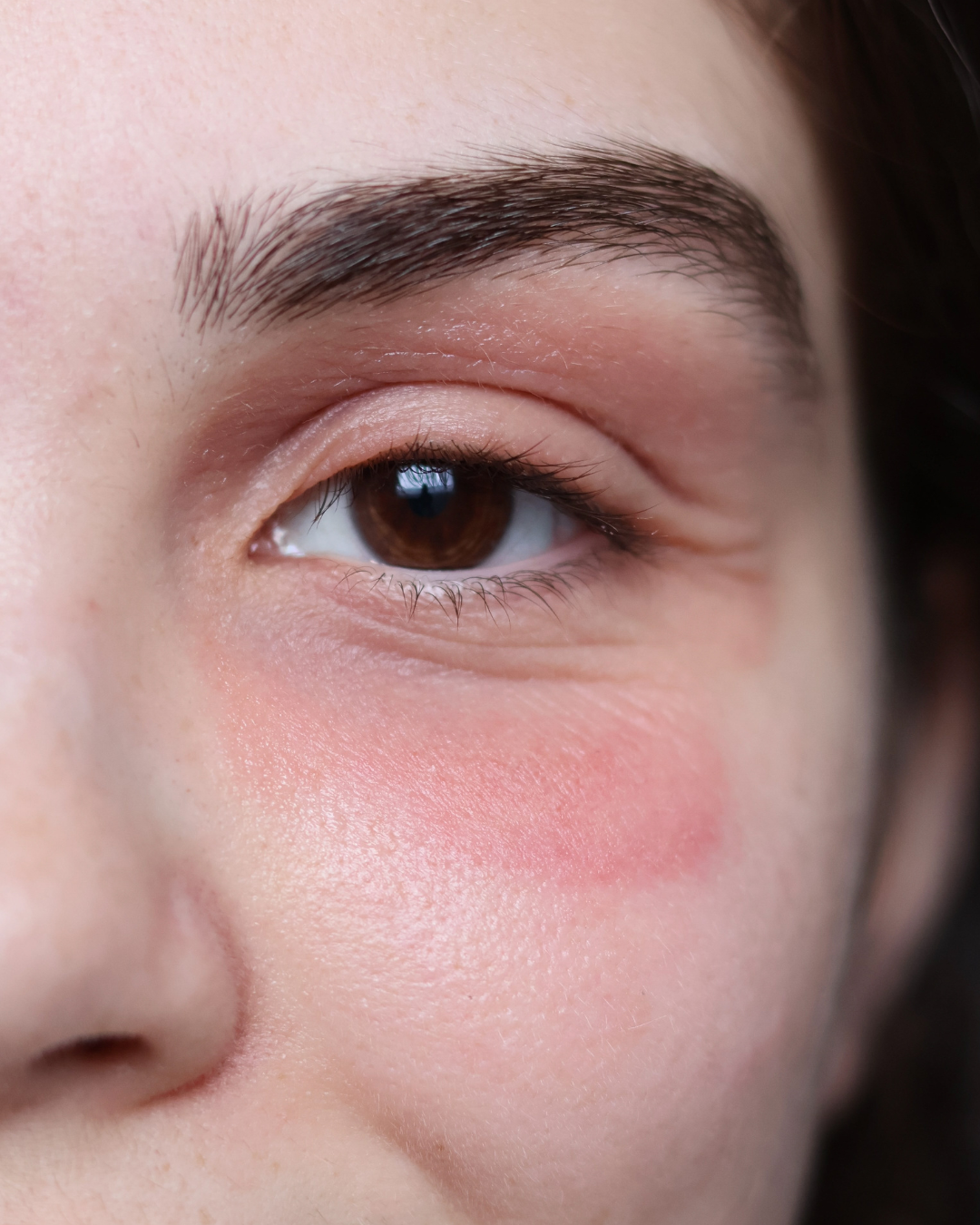
What is eczema (atopic dermatitis)?
Eczema, also known as atopic dermatitis, is a chronic inflammatory disease linked to:
- an impaired skin barrier
- excessive skin reactivity
- an often atopic predisposition (genetic predisposition)
The most common signs
- Widespread redness
- Very dry skin
- Intense itching
- Frequent locations: elbow creases, behind the knees, face, neck, hands, eyelids
Eczema develops in flare-ups, often triggered by stress, allergens,
climatic variations or unsuitable products.
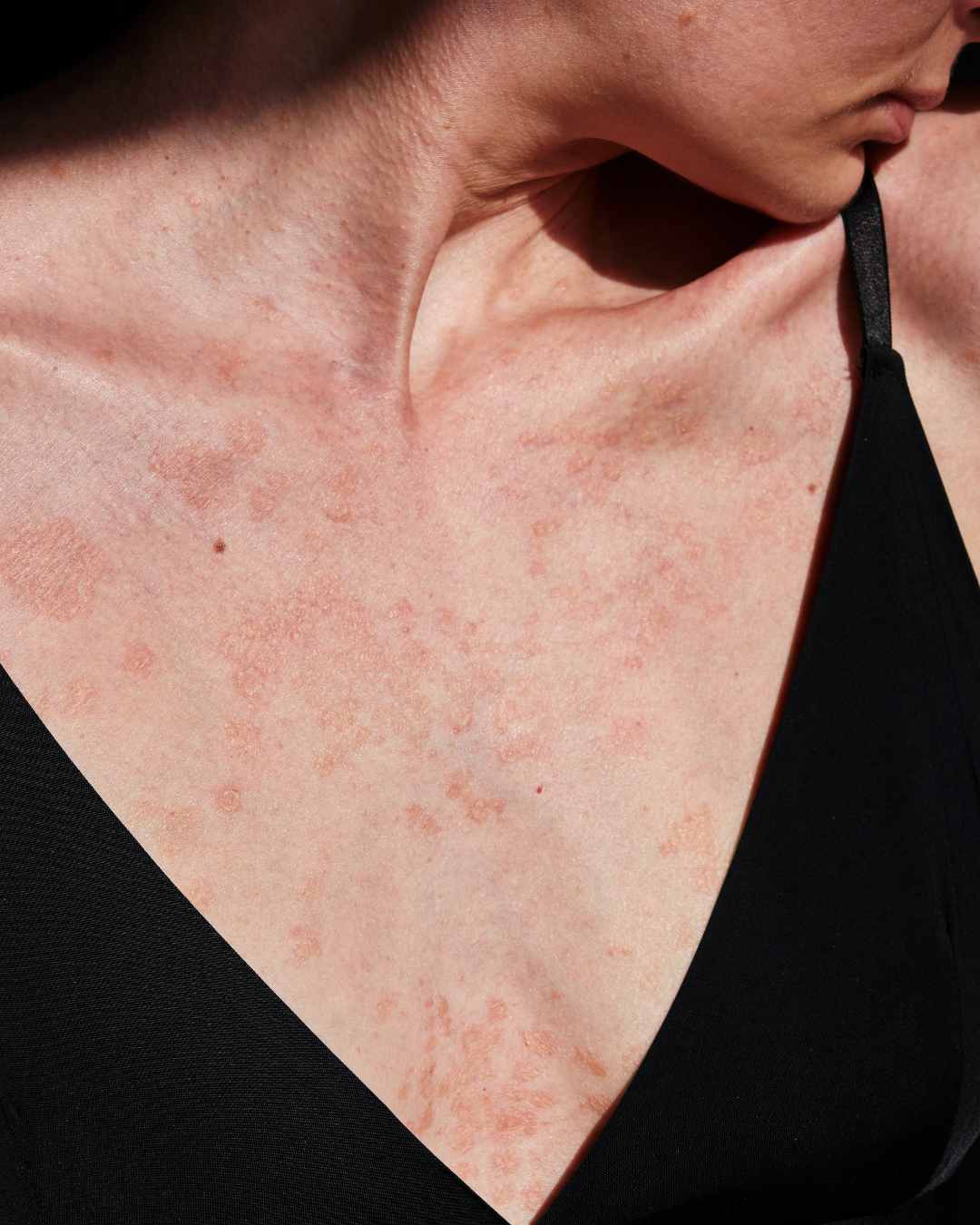
What is psoriasis?
Psoriasis is a chronic inflammatory skin disease of immune origin.
It is characterized by an abnormal acceleration of skin cell renewal, leading to the appearance of thick plaques.
Characteristic signs
- Well-defined red plaques
- Thickening of the skin
- Visible whitish scales
- Frequent locations: elbows, knees, scalp, lower back
Itching varies, often less intense than with eczema, but dryness and discomfort are pronounced.
Eczema or psoriasis: what are the differences?
Although the symptoms may be similar, eczema and psoriasis are two distinct conditions that require a different approach.
ECZÉMA(DERMATITE ATOPIQUE) |
PSORIASIS |
|
|---|---|---|
| ORIGINE PRINCIPALE | Barrière cutanée altérée + inflammation | Dérèglement immunitaire |
| ASPECT DES LÉSIONS | Rougeurs diffuses, parfois suintantes | Plaques épaisses, bien délimitées |
| SQUAMES | Peu visibles | Fréquentes |
| DÉMANGEAISONS | Très intenses | Variables |
| ZONES COURANTES | Plis, visage, mains | Coudes, genoux, cuir chevelu |
The common denominator: fragile skin
In both cases, the skin exhibits:
- an impaired skin barrier
- significant dryness
- increased sensitivity to external aggressions
That's why, in addition to dermatological follow-up, dermo-cosmetic care plays an essential role in:
- hydrating the skin
- limiting discomfort
- supporting barrier function
- maintaining daily skin balance
What role for dermo-cosmetic treatments?
Dermo-cosmetic care:
- does not treat eczema or psoriasis
- does not act on deep inflammatory mechanisms
However, it can:
- support the skin daily
- improve skin comfort
- help space out flare-ups and feelings of discomfort
A simple routine that is well-tolerated and respectful of skin balance is essential.
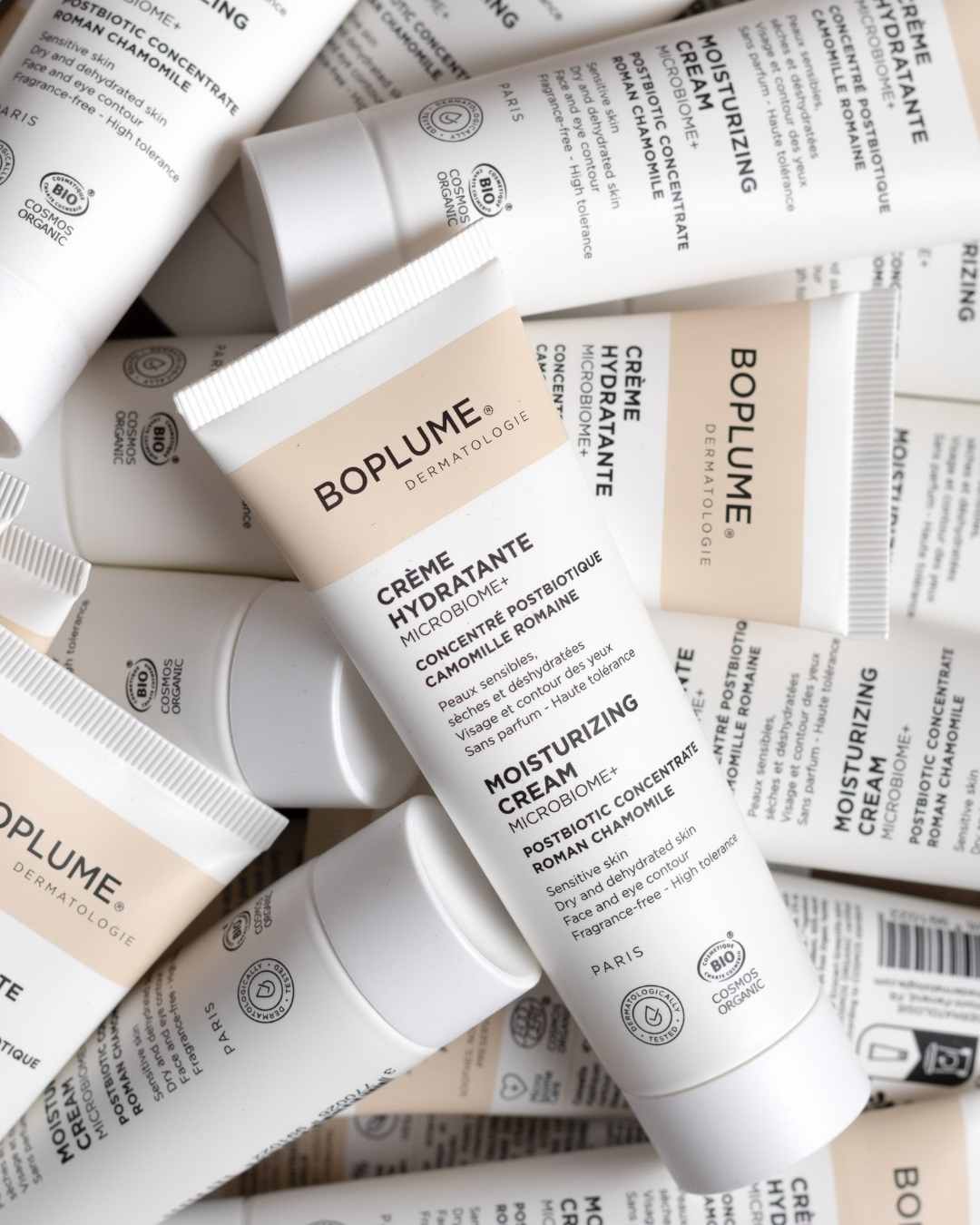
The Boplume Dermatology Approach
BOPLUME DERMATOLOGIE skincare products have been clinically tested on sensitive, dry skin prone to atopy and are formulated to:
- support and preserve microbiome balance
- strengthen the skin's barrier function
- soothe sensations of discomfort
They can be used:
- for eczema-prone skin
- as a complementary treatment for psoriasis-prone skin, outside of acute inflammatory phases, always in conjunction with medical follow-up

Face and Body Routine for Sensitive, Dry, Atopic-Prone Skin
- Regular price
-
59,90€ - Regular price
-
64,70€ - Sale price
-
59,90€
Tax included.

When to consult a doctor?
It is recommended to consult a healthcare professional if:
- the lesions persist or worsen
- the diagnosis is not clear
- the itching or pain becomes difficult to bear
Key points to remember
✔️ Eczema and psoriasis are different, even if they look similar
✔️ Medical diagnosis is essential
✔️ Dermo-cosmetic care supports the skin, without replacing medical treatment
✔️ Maintaining microbiome balance and strengthening the skin barrier is a key challenge in both cases.