
Prebiotics, probiotics, postbiotics: essential allies for the skin microbiome.
Our skin is not alone: it harbors billions of microorganisms (bacteria, yeasts, fungi), known as the skin microbiome.
This ecosystem forms a true living barrier that protects us daily.
When the microbiome is balanced, the skin remains more resilient, hydrated, and soothed.
But when it is disrupted (dysbiosis), problems arise: eczema, acne, irritations, redness, or dryness.
This is where prebiotics, probiotics, and postbiotics come into play! These new-generation ingredients help restore the microbiome's balance and visibly improve the skin's condition.
1. Prebiotics: feeding the good bacteria.
Prebiotics are like "food" for the good bacteria on your skin.
By nourishing them, they promote their development and prevent harmful bacteria from taking over.
Benefits for the skin
- Strengthens the skin barrier: the skin is less permeable, better protected.
- Soothes inflammation: redness and irritation are reduced.
- Provides long-lasting hydration: less dryness and more comfort.
2. Probiotics: live microorganisms to re-seed the skin.
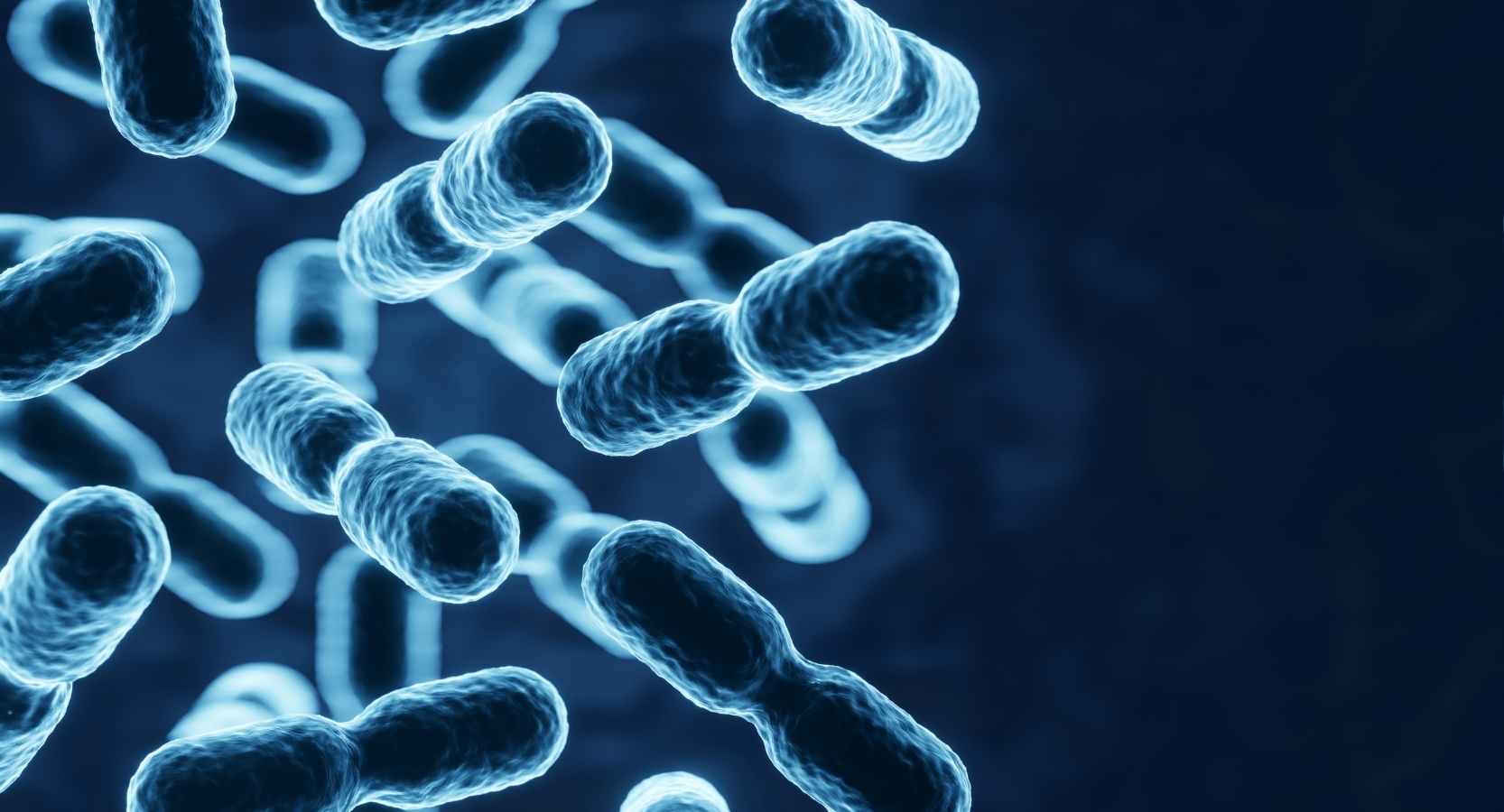
Probiotics are live "good bacteria" that benefit the skin. In cosmetics, strains from families such as Lactobacillus or Bifidobacterium , known for their protective role , are mainly used.
How do they act?
- They inhibit the growth of bad bacteria by taking their place.
- They produce natural substances that help maintain a balanced skin pH .
- They calm inflammation and strengthen the skin's natural defenses.
- They repair the skin barrier by stimulating the production of essential lipids.
3. Postbiotics: the benefits of bacteria, without the bacteria.
Postbiotics are molecules naturally produced by probiotics. Unlike probiotics, postbiotics do not contain live microorganisms, but their effects on the skin are just as powerful.
Benefits for the skin:
- Powerful anti-inflammatory effect: they quickly soothe redness and itching.
- Antioxidant action: they protect the skin from oxidative stress (pollution, UV, aging).
- They strengthen hydration and skin repair.
4. A winning synergy for the microbiome.
- Prebiotics feed the good bacteria already present.
- Probiotics add new protective bacteria.
- Postbiotics provide their active metabolites which soothe and strengthen the skin.
The result: a balanced, diverse and more resilient skin microbiome , better able to protect the skin against eczema , acne or chronic irritations .
5. A new generation of skincare for sensitive, dry, atopic-prone skin.
Incorporating skincare products rich in prebiotics, probiotics, and postbiotics into your routine means:
- Restore the skin its natural balance.
- Strengthen your defenses.
- Provides lasting relief from skin problems.
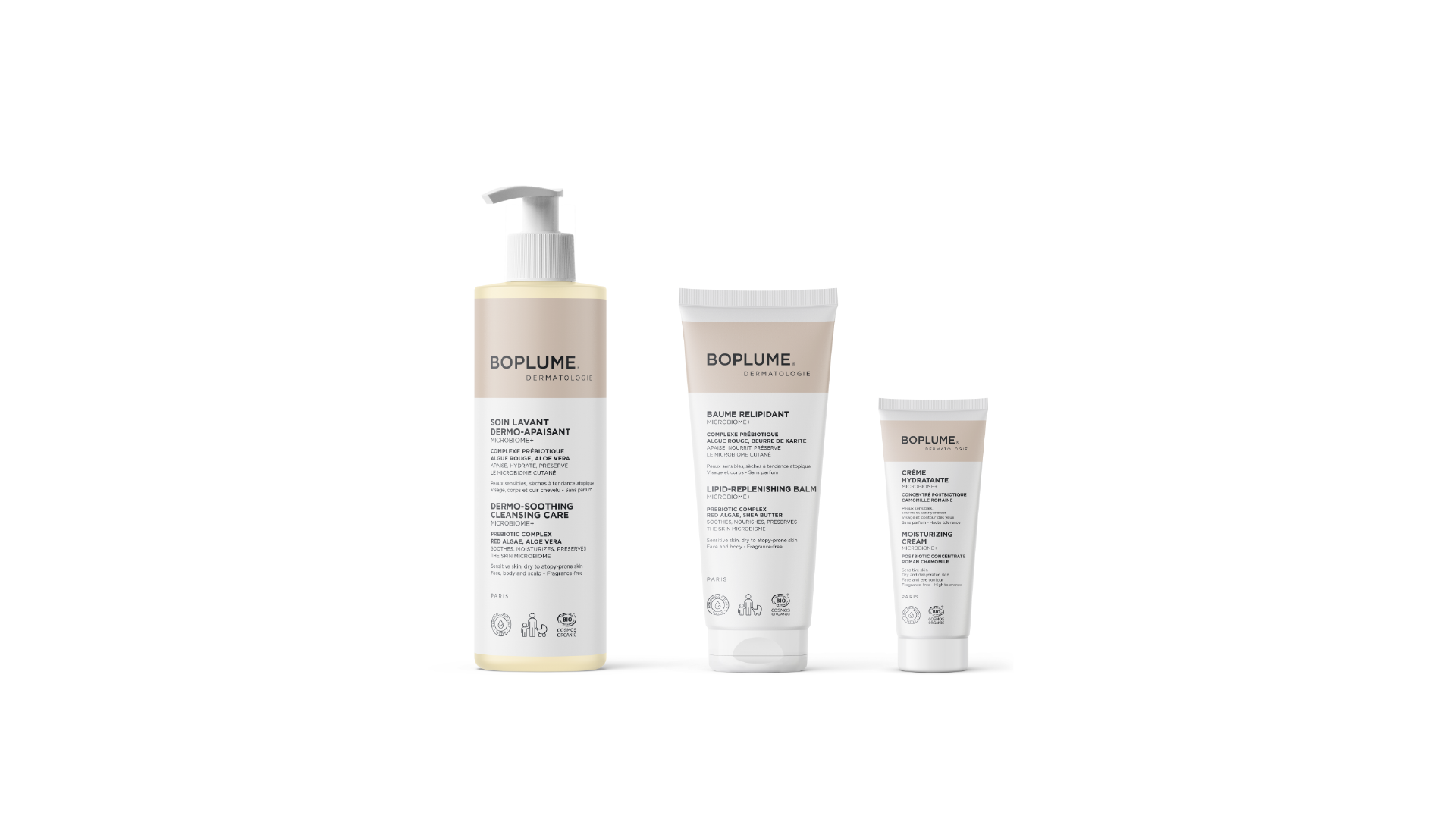
Sources / Bibliography
- Hülpüsch C. et al. Exploring the skin microbiome in atopic dermatitis. J Allergy Clin Immunol. 2024.
- Phan S. et al. Topical prebiotics & metabolites in atopic dermatitis – systematic review. J Integrative Dermatology. 2024.
- Butler A. et al. Topical probiotics decrease severity of atopic dermatitis – systematic review & meta-analysis. 2024.
- Herbert S. et al. Topical probiotic therapy for atopic dermatitis: review. 2023.
- De Almeida CV et al. Oral and topical probiotics & postbiotics in skincare. Microorganisms. 2023.
- da Silva Vale A. et al. Production & applications of postbiotics in dermatology. Fermentation. 2023.
- Deng K. et al. Probiotic effects on skin health. Front Microbiol. 2024.
- Wang Z. et al. Role of Staphylococcus aureus in atopic dermatitis. Front Med. 2024.
- Kim HB et al. Skin microbiome dynamics in atopic dermatitis. Allergy Asthma Immunol Res. 2025.
- Saint-Léger D. et al. Vitreoscilla filiformis lysate in atopic dermatitis: a clinical trial. Br J Dermatol. 2008; review articles 2022.
- Clinical review: Microbiome-containing moisturizers in atopic dermatitis. 2024.