
Taking care of your skin microbiome: essential rules to adopt daily
Our skin is much more than a simple covering: it's a living ecosystem, composed of billions of beneficial microorganisms, called the skin microbiome. This microcosm plays a crucial role in protecting our epidermis against external aggressions, regulating inflammation, and maintaining a healthy skin barrier. However, our modern lifestyle and certain habits can easily disrupt this fragile balance, leading to dryness, irritation, or even chronic skin conditions.
To preserve and promote this natural microbiome, it is essential to adopt simple but effective daily habits. Here's a detailed overview of good practices to integrate into your skincare routine and lifestyle.
1. Hydration: the first step to healthy skin.
Water is the primary source of hydration for the human body, and the skin is particularly dependent on it. Drinking at least 1.5 liters of water per day is essential for maintaining epidermal hydration. Well-hydrated skin has a stronger skin barrier , capable of effectively protecting the microbiome from external aggressors such as pollution, UV rays, and harmful bacteria.
Hydration also helps facilitate cell renewal , the natural process by which dead cells are eliminated and replaced. This renewal promotes the maintenance of a diverse and balanced microbiome , which is key to radiant and healthy skin.

2. A balanced diet, the cornerstone of the skin microbiome.
The adage "we are what we eat" is particularly true for the skin. A diet high in refined sugars, saturated fats, or salt can cause chronic inflammation in the body, which directly affects the skin. This inflammation disrupts the skin microbiome , promoting the proliferation of pathogenic bacteria at the expense of beneficial bacteria.
On the contrary, consuming seasonal fruits and vegetables, rich in vitamins (especially A, C, and E), minerals, antioxidants, and fiber, nourishes the skin from within. These nutrients strengthen the skin's immune defenses and support the growth of a diverse and resilient microbiome .
Limiting alcohol consumption is also important: alcohol is a dehydrating agent that weakens the skin barrier and alters the quality of the microbiome, making the skin more sensitive to irritation and redness .

3. Protection against climatic and environmental aggressions.
The skin microbiome is very sensitive to climatic variations . Prolonged exposure to the sun without protection can damage the DNA of skin cells, cause burns, and destabilize the microbiome by favoring certain species at the expense of others.
Cold weather, on the other hand, dries out the skin by reducing natural sebum production and slowing local blood circulation, thus weakening the skin barrier . In winter, It is therefore essential to protect your skin from the cold with appropriate clothing and emollient care.
It is also important to protect oneself against pollution, which is a real scourge for the skin microbiome . Fine particles, hydrocarbons, and heavy metals disrupt the microbial balance , promote inflammation, and accelerate skin aging.


4. Gentle movements to avoid friction and irritation.
The skin microbiome is particularly sensitive to excessive friction, which can damage the stratum corneum, the outermost layer of skin. Seemingly harmless actions such as using rough washcloths, abrasive makeup remover pads, or frequently wearing synthetic clothing cause invisible micro-lesions.
These lesions facilitate the penetration of irritants or allergens, which disrupts the microbiome and can lead to irritation, itching, or inflammatory reactions.
Using gentle techniques, with natural and hypoallergenic materials (organic cotton, natural fibers), helps to preserve this fragile barrier and its ecosystem.
5. Choose your products carefully: avoid harsh ingredients.
Many conventional cosmetic products contain ingredients that disrupt the skin 's natural pH (which is slightly acidic, around 5.5). A pH that is too high, particularly in some alkaline soaps, destroys the protective acid barrier and weakens the microbiome .
Essential oils, often used for their beneficial properties, must be handled with care, as they can be irritating or even allergenic if they are incorrectly dosed or applied undiluted.
Similarly, excessively hot water during showering or bathing has a drying effect by removing protective lipids from the skin.
Finally, some ingredients such as sulfates , parabens , synthetic fragrances and certain chemical preservatives are known to irritate the skin and alter microbial diversity .
The solution lies in adopting gentle products that respect the skin's pH, are formulated with natural ingredients, and support the microbiome instead of harming it.
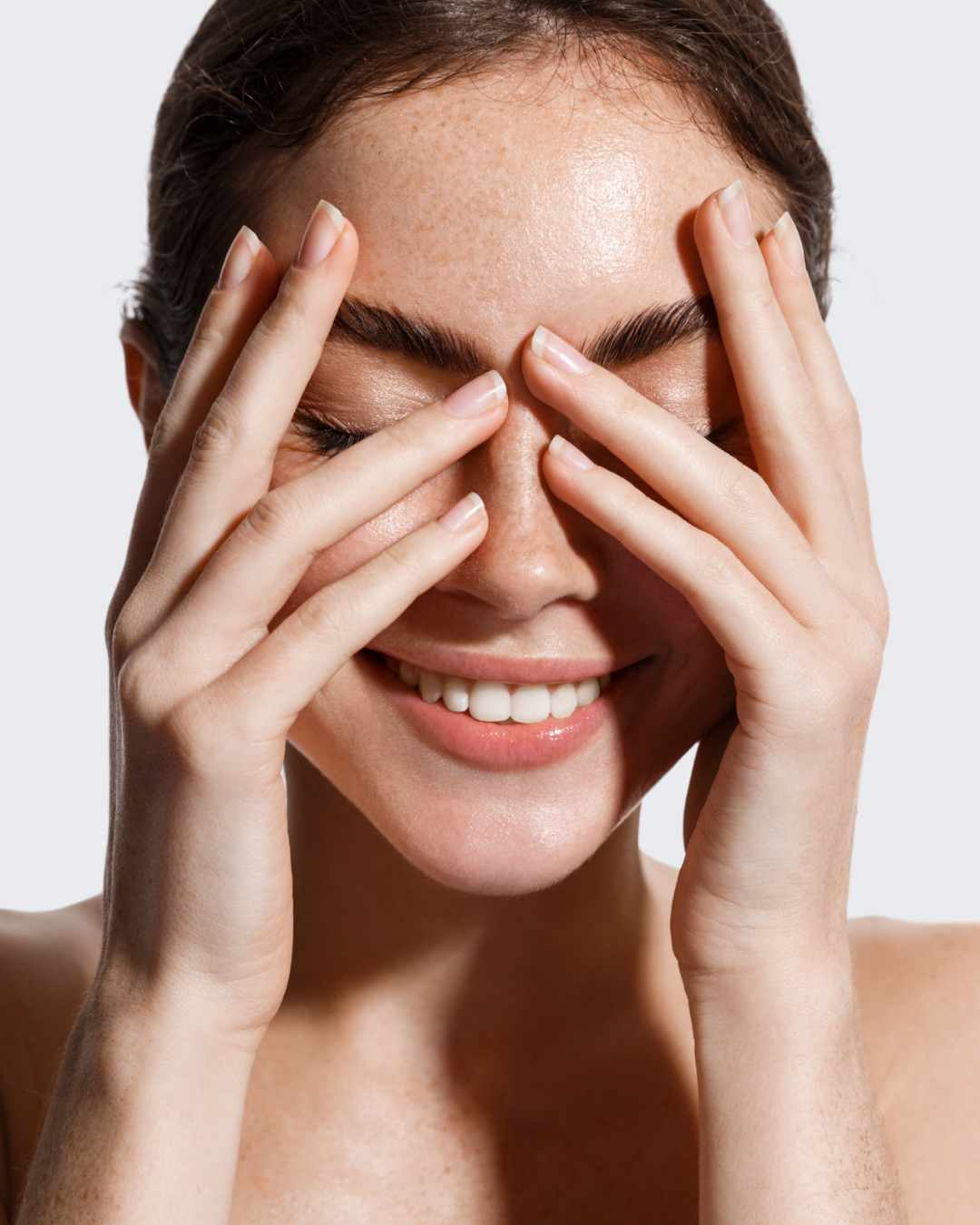
6. Limit contact with your face: an often neglected gesture.
Touching your face repeatedly is an unconscious but very harmful habit for the microbiome . Our hands are in constant contact with numerous surfaces contaminated by bacteria , viruses, or pollutants. By placing them on our face, we promote the transfer of these pathogenic microorganisms, which can disrupt the skin's microbiome and cause inflammation , breakouts, or redness . Being aware of this habit is a simple precaution. Wash your hands regularly.
7. Clean surfaces that come into contact with the skin.
Smartphone screens, glasses, pillowcases, and even headphones accumulate dust, bacteria , and sebum, which can transfer to the skin and disrupt its microbiome . Regularly cleaning these items helps limit this transfer and protect the skin .
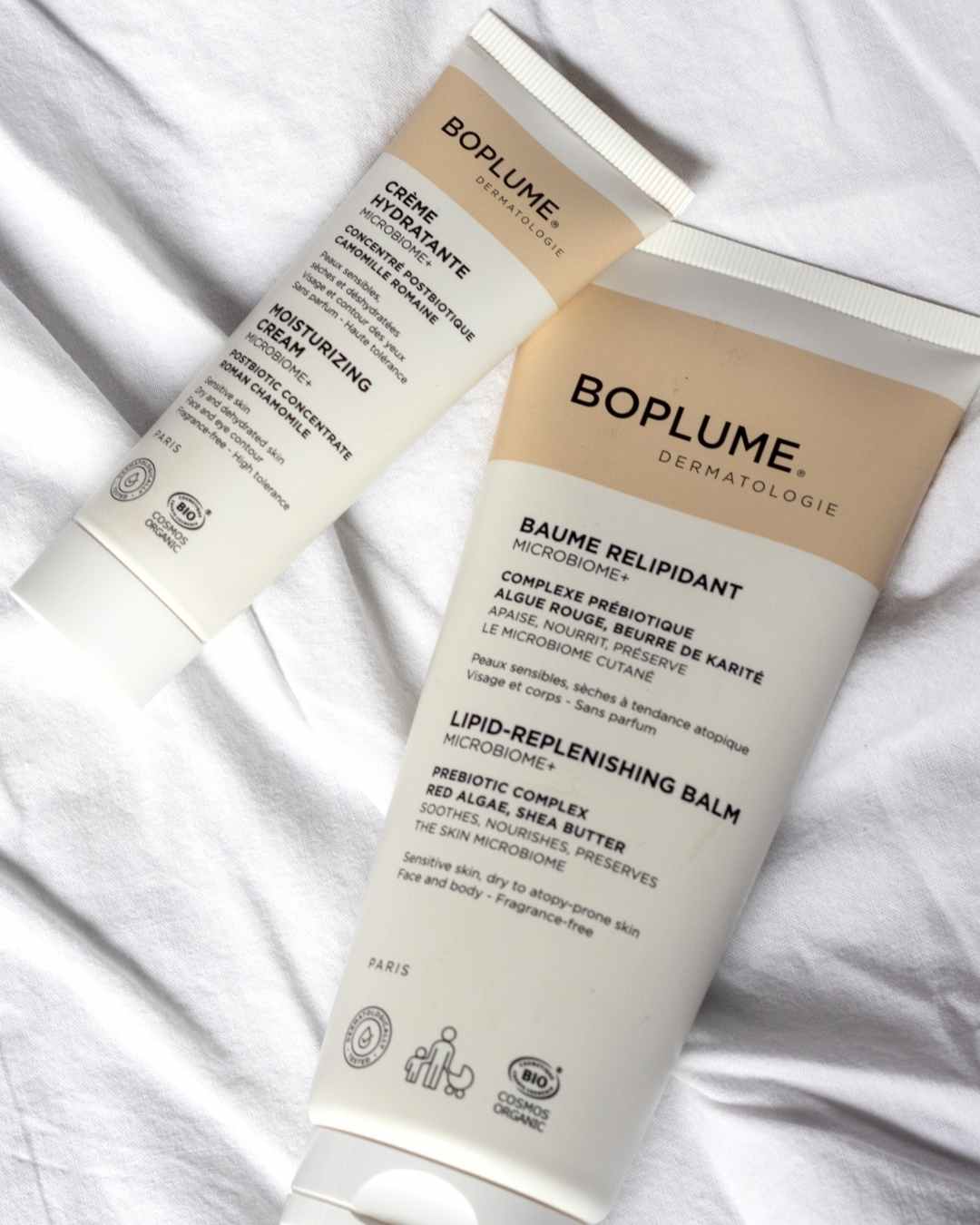
8. Promote a minimalist and respectful routine.
Finally, the temptation to use numerous cosmetic products can overload the skin, saturate its regenerative capacity, and disrupt its microbiome . A minimalist routine , centered on a few essential products (gentle cleanser, suitable moisturizer, sunscreen), helps respect the skin's natural balance .
Choose simple formulations with natural ingredients and no unnecessary additives . This approach helps maintain a balanced microbiome, a key element for healthy, radiant, and resilient skin.
The skin microbiome is the key to healthy, beautiful, and well-protected skin . By adopting these simple and respectful rules, you provide your skin with an optimal environment to defend and renew itself. Hydrate yourself, eat healthily , protect yourself from environmental aggressors, be gentle with your skin, choose your products carefully, and simplify your routine: these are all keys to preserving this precious natural balance.
SOURCES / BIBLIOGRAPHY
- Byrd AL, Belkaid Y., Segre JA The human skin microbiome. Nat Rev Microbiol. 2018 (basic reference on the role of the skin microbiome).
- Egert M., Simmering R. The microbiome of the human skin. In: Microbiota of the Human Body . Springer; 2022.
- Kim HB et al. Skin microbiome dynamics in atopic dermatitis. Allergy Asthma Immunol Res. 2025.
- Wang Z. et al. Role of Staphylococcus aureus in atopic dermatitis and skin dysbiosis. Front Med. 2024.
- Hülpüsch C. et al. Exploring the skin microbiome in atopic dermatitis: therapeutic approaches including pH modulation and microbiome-friendly products. J Allergy Clin Immunol. 2024.
- Dréno B. et al. Skin microbiome and acne: from research to clinical practice. Eur J Dermatol. 2023.
- Hajar T., Leshem YA et al. The impact of diet on skin: from acne to inflammation. Nutrients. 2023.
- Lwin SM, Ormerod AD Lifestyle factors and skin health: hydration, diet and microbiome. Clin Exp Dermatol. 2022.
- Dreno B. et al. The influence of cleansers on the skin barrier and microbiome. J Eur Acad Dermatol Venereol. 2021.