
SOS sensitive skin in winter!
Mountain holidays: how to protect your skin from the cold, wind and sun?
Snowy slopes, fresh air, breathtaking panoramas... Mountain holidays are often synonymous with escape and well-being. However, for the skin, the experience is quite different. Intense cold, dry wind, temperature variations, and increased solar radiation put the skin barrier to the test. The result: tightness, redness, itching, and discomfort, particularly in sensitive, dry to atopic-prone skin.
1. Cold, microbiome and skin barrier: understanding the biological cascade
In winter, and particularly in the mountains, the skin is exposed to extreme conditions (cold, wind, dry air, UV).
These aggressions trigger a veritable biological cascade which explains the appearance of skin discomfort.
Step 1: The skin microbiome becomes unbalanced (dysbiosis)
The skin is naturally colonized by billions of beneficial microorganisms: bacteria, yeasts and protective microflora.
This collection constitutes the skin microbiome. It plays a key role in:
- defense against external aggression
- the modulation of inflammation
- maintaining tolerant and balanced skin
Cold, dry air, wind, and repeated cleaning disrupt this fragile ecosystem. Some protective bacteria decrease, while others become more dominant, creating an imbalance: this is skin dysbiosis.
Step 2: The skin barrier weakens
When the microbiome is unbalanced, the skin barrier loses its effectiveness. This barrier is composed of lipids (ceramides, cholesterol, fatty acids) and proteins that maintain hydration and protect against external aggressors.
Under the effect of cold and dysbiosis, this barrier becomes porous: water escapes (dehydration) and irritants penetrate more easily.
Step 3: Inflammation sets in
The skin reacts to these aggressions by triggering an inflammatory response. It is at this stage that discomfort appears:
- redness and burning sensations
- intense itching
- tightness and discomfort
- increased reactivity to skincare products
This inflammation can become chronic if the skin barrier is not restored and the microbiome is not rebalanced.
Why is this waterfall particularly intense in the mountains?
At altitude, several factors come into play:
- The air is drier: lower relative humidity worsens skin dehydration
- UV rays are more intense: even in winter, UV radiation is amplified by reflection off the snow.
- The temperature is extreme: the cold causes vasoconstriction, which reduces blood flow to the skin.
- The wind is more violent: it directly attacks the skin barrier
This combination explains why sensitive skin suffers particularly in the mountains during winter.
2. Good habits to adopt before and during your mountain holiday
Preparing your skin and adopting the right daily habits can help limit the effects of the cold.
Hydration: an essential step
Drinking enough water (1.5 to 2 liters per day) helps maintain skin hydration from the inside out.
Limit alcohol and coffee, which promote dehydration.
Essential sun protection
At high altitudes, UV radiation is more intense and reflection off the snow increases exposure.
Apply sunscreen suitable for sensitive skin, even on cloudy days.
Protect your face with a mask or neck warmer on very cold and windy days.
Appropriate clothing
Opt for soft, breathable and non-irritating materials.
Avoid rough textiles in direct contact with the skin.
Be careful with showers that are too hot.
After skiing, the temptation of a hot shower is great… but it further weakens the skin barrier.
3. The MICROBIOME+ routine: targeted protection for winter
Objective: to support the microbiome, strengthen the skin barrier and provide lasting relief from symptoms.
The MICROBIOME+ Routine has been developed to meet the specific needs of sensitive, dry and atopic-prone skin exposed to daily aggressions.
Unlike treatments that merely provide temporary relief, the MICROBIOME+ Routine acts on the essentials: supporting the skin microbiome and sustainably strengthening the skin barrier .
Before and after skiing: the essential routine
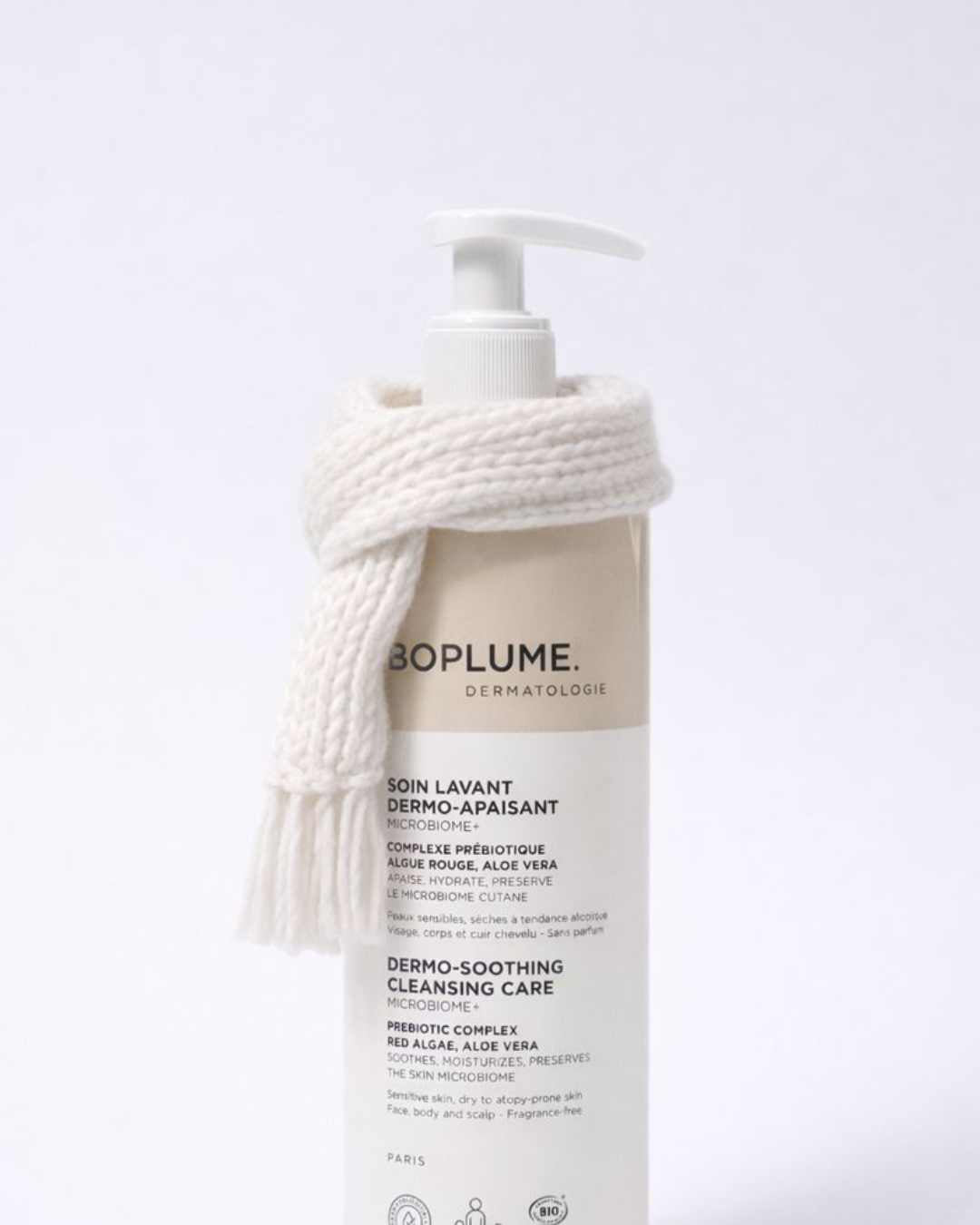
MICROBIOME+ Dermo-Soothing Cleansing Treatment
- Cleans gently without damaging the protective film
- Respects the skin's natural balance
- Soothes feelings of discomfort and irritation
Ideal in the shower after a day outdoors.
MICROBIOME+ Moisturizing Cream
- Intensely hydrates
- Soothes sensitive and reactive skin
- Strengthens the skin barrier
Apply morning and evening to the face and eye contour.
MICROBIOME+ Lipid-Replenishing Balm
- Intensely nourishes and replenishes lipids
- Restores the hydrolipidic film
- Protects highly exposed areas.
Essential morning and evening in case of intense cold or marked drought.
-
 Microbiome+ Replenishing BalmMicrobiome+ Replenishing Balm
- Regular price
-
21,90€ - Regular price
-
- Sale price
-
21,90€
-
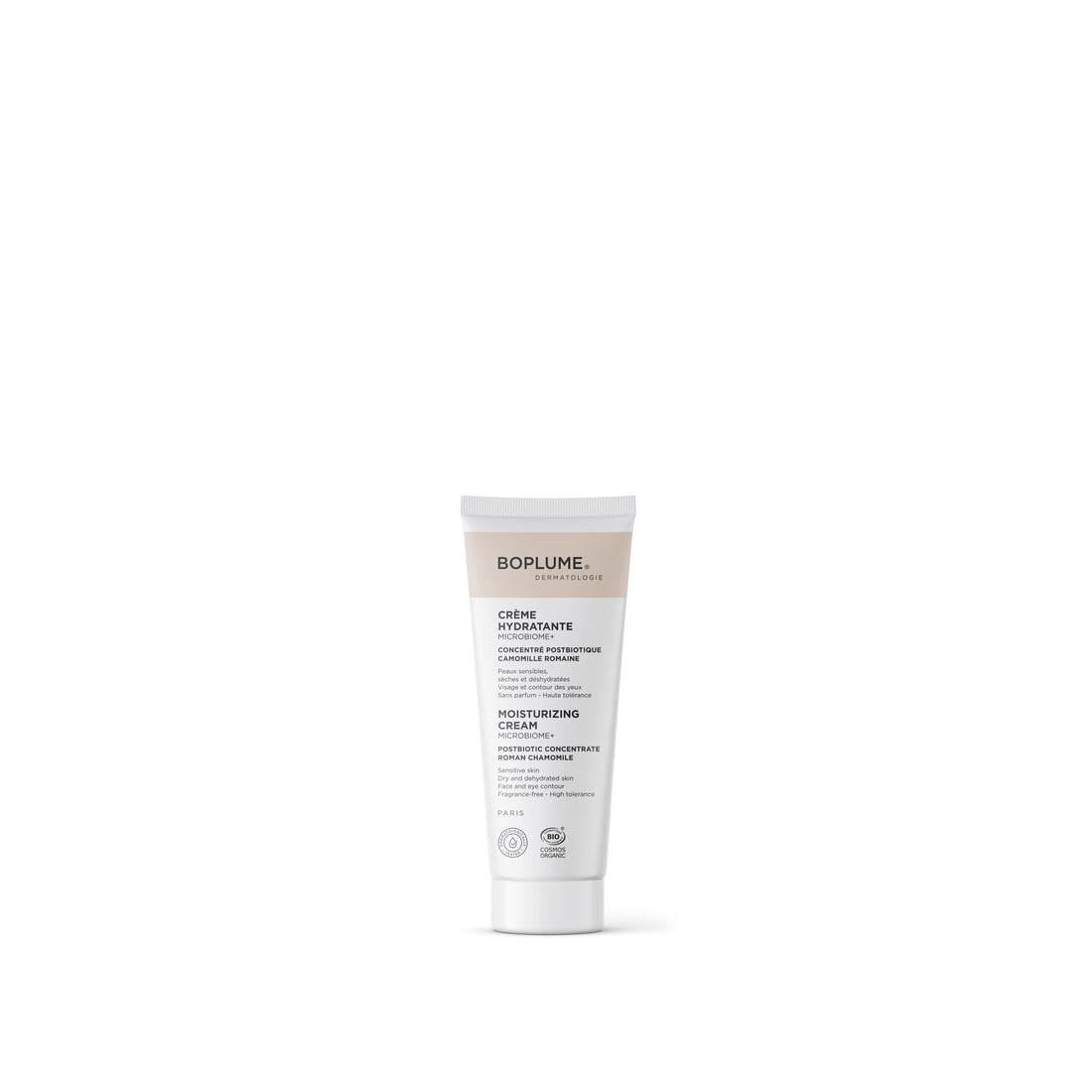 Microbiome+ MoisturizerMicrobiome+ Moisturizer
- Regular price
-
24,90€ - Regular price
-
- Sale price
-
24,90€
-
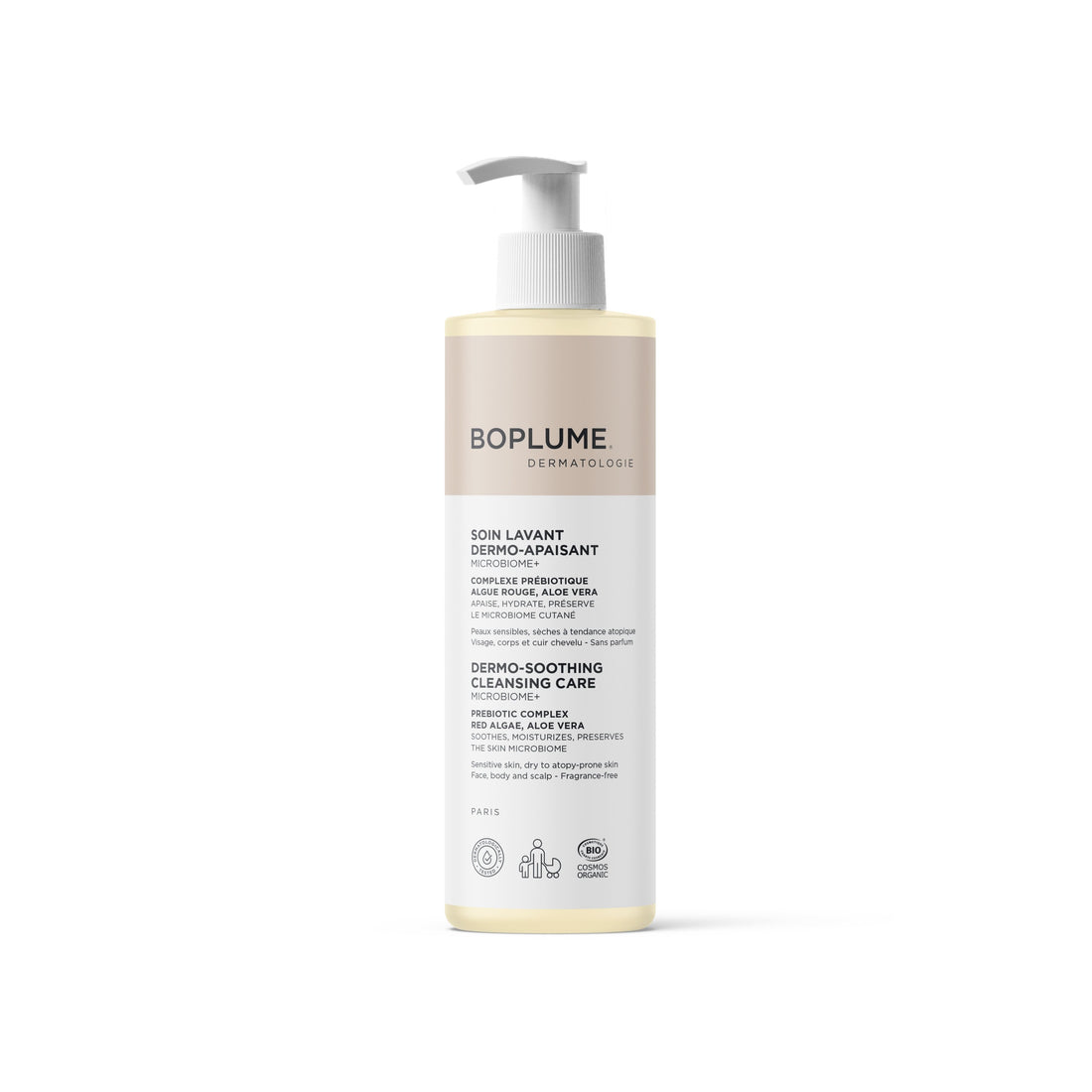 Dermo-Soothing Cleansing Treatment Microbiome+Dermo-Soothing Cleansing Treatment Microbiome+
- Regular price
-
17,90€ - Regular price
-
- Sale price
-
17,90€

4. Practical tips for optimal skin comfort
After exposure to cold : apply the Lipid-Replenishing Balm to very dry and irritated areas.
Enhanced hydration in the evening : skin regenerates overnight. A more generous layer of MICROBIOME+ Moisturizing Cream promotes hydration.
radiant complexion and immediate comfort.
Areas to watch out for : lips, eyelids, hands, cheeks and sides of the nose often require special attention.